Case study

Zeeman: Moving from intuition to data-driven expansion

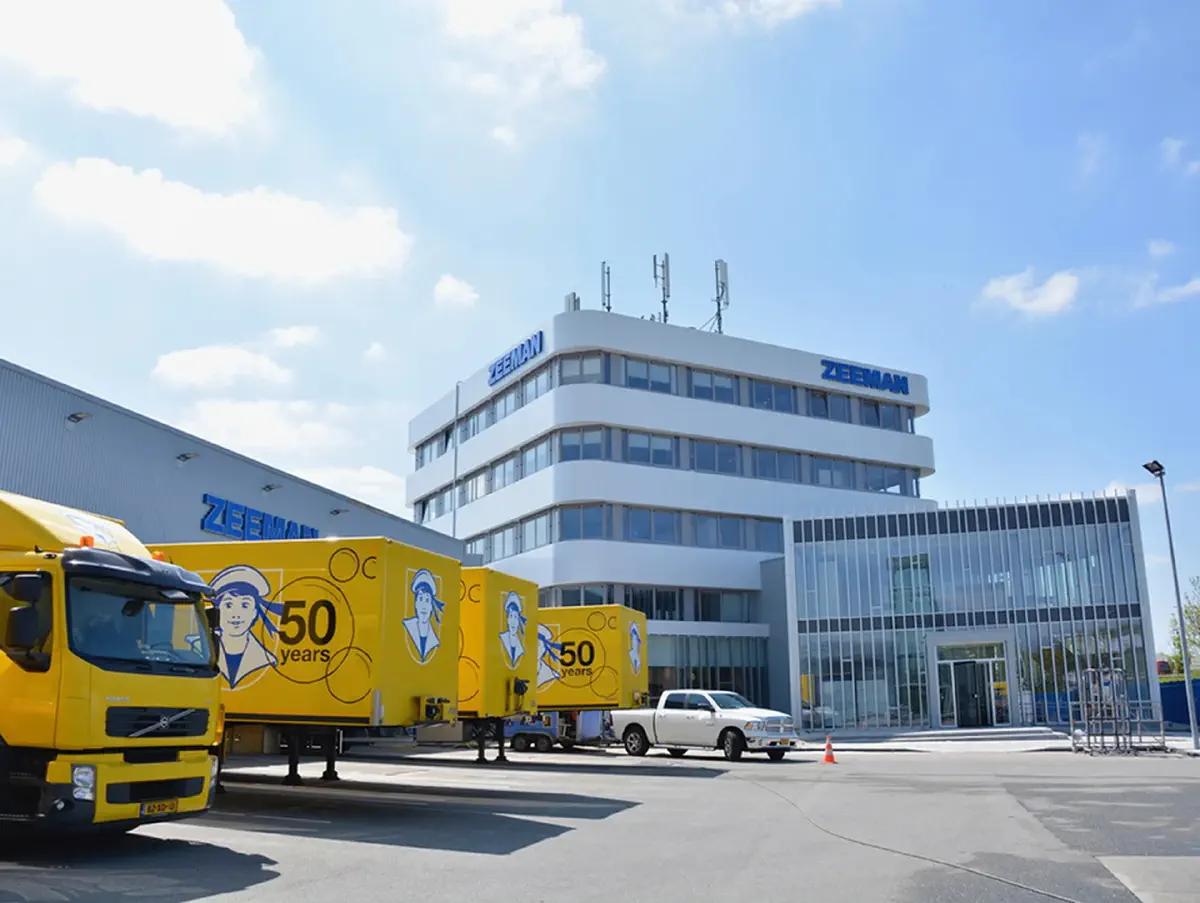
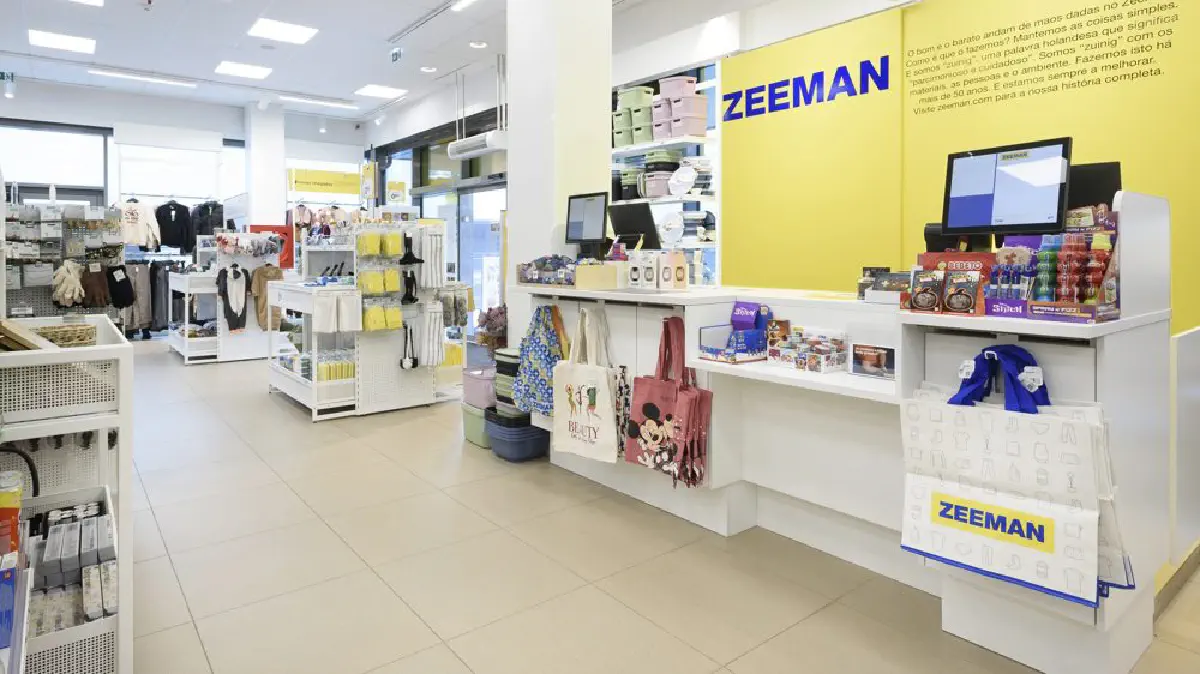
For years, Zeeman, a textile retailer with close to 1,400 stores, relied on intuition to decide store locations. Since 2019, it uses data and predictive models instead, without dropping the judgement of the people who know the stores.
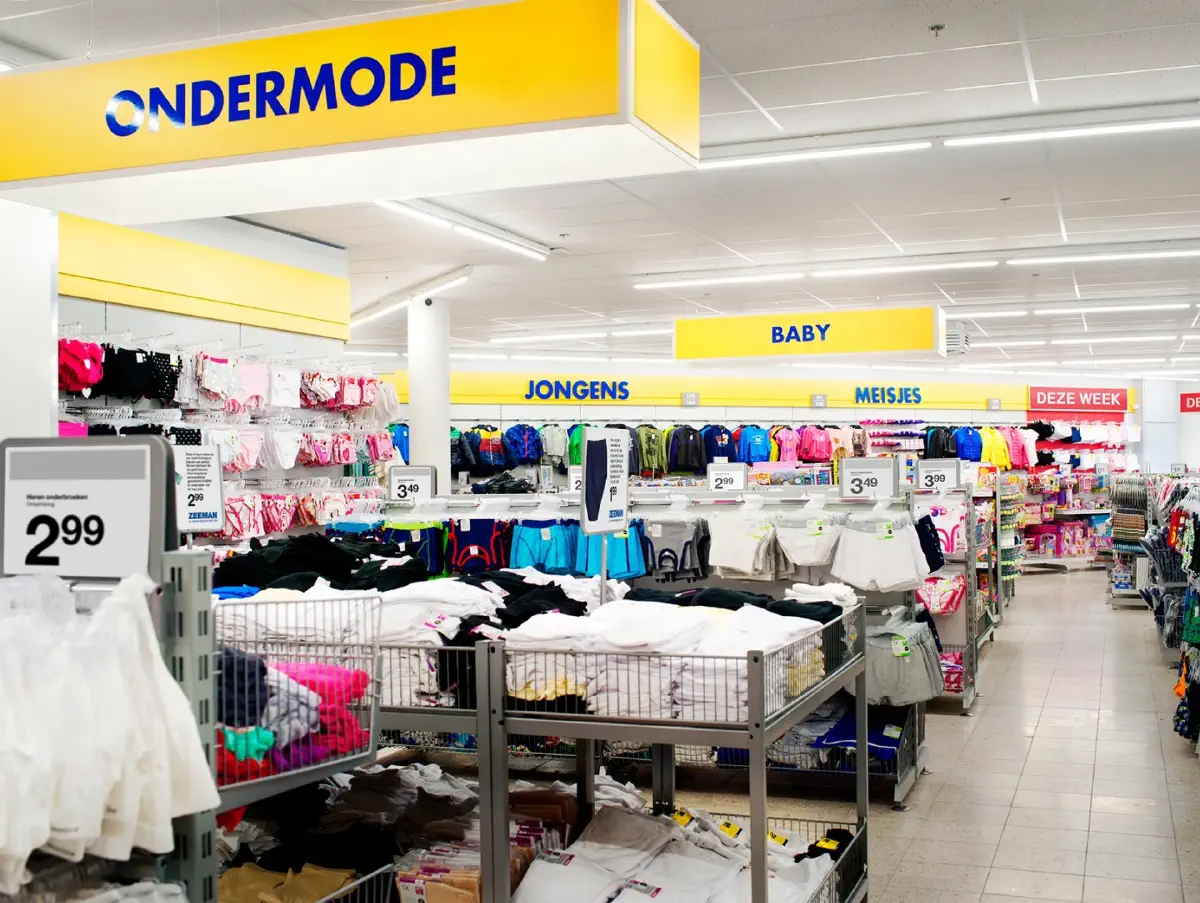
Zeeman: Moving from intuition to data-driven expansion

The challenge

For years, data played a minor role in determining new store locations at the textile chain Zeeman. "It was done the Vicky the Viking way, mainly based on gut feeling. Open a little shop and move on to the next," said Micha Candel, then Manager Real Estate at Zeeman. Since 2019 that has changed: every new location is tested against data on the surrounding area before the lease is signed.

The challenge

"We have seen what works and what doesn't. By doing, we learn."

Micha Candel, then Manager Real Estate at Zeeman

From gut feel to a tested location model

Zeeman partnered with Kyden and The Big Data Company to develop algorithms that analyse purchasing power, household composition, and foot traffic. The data feeds into the IRIS platform, allowing Zeeman to predict store performance and assess the impact on existing locations within minutes.

From gut feel to a tested location model

Data as a critical mirror

The IRIS platform doesn't replace human judgement, it sharpens it. By simulating store openings, closures, and relocations before they happen, Zeeman can weigh each move against the cost of getting it wrong, and keep the people who know the stores inside the decision.

Data as a critical mirror

The result: expansion planning across Europe

Zeeman now plans its store network with IRIS across 6 European markets, evaluating hundreds of scenarios and balancing the data with the judgement of the people who know the stores.
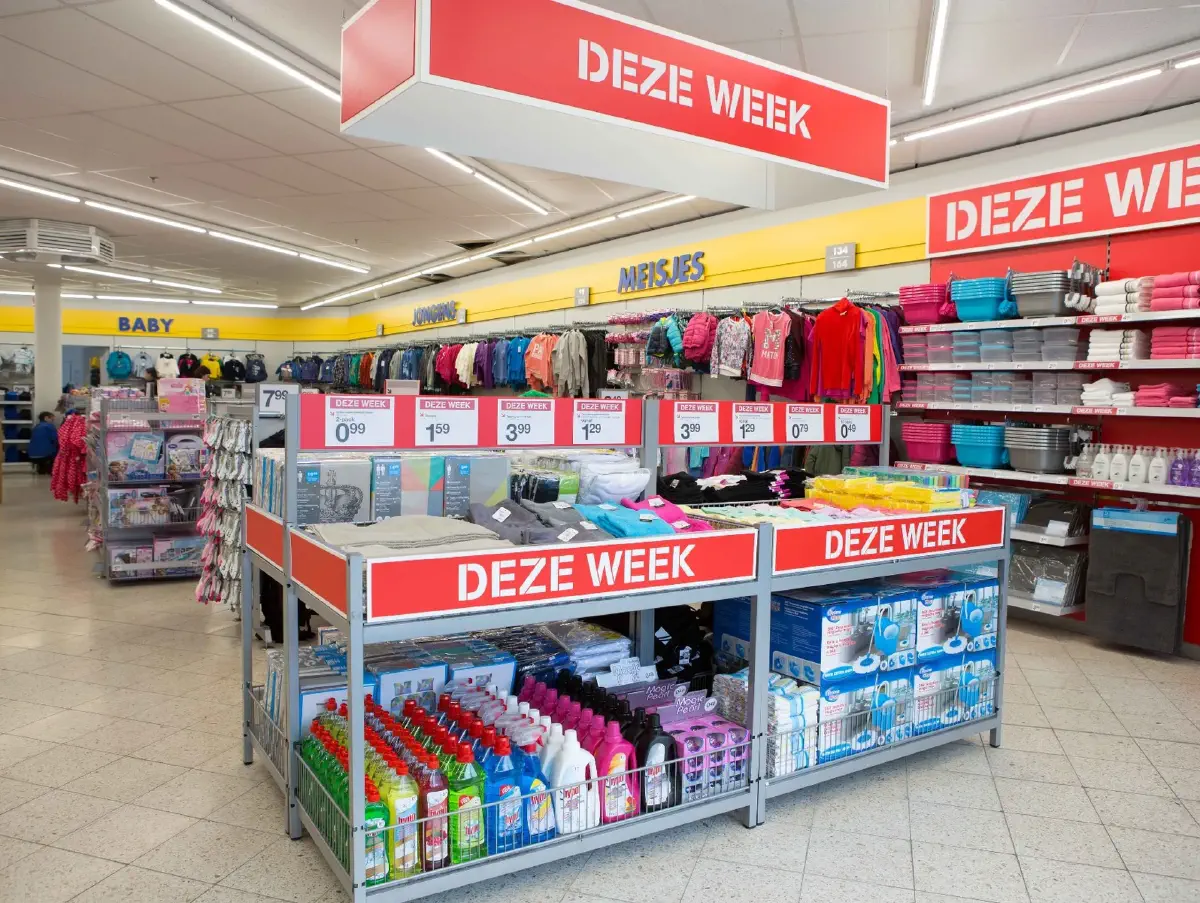
6European markets planned with IRIS
Book demo